




Key Features of the Samsung Galaxy S20 Series
The Samsung Galaxy S20 Series set a new benchmark for flagship smartphones by introducing high-refresh-rate displays, 5G connectivity, and pro-grade cameras. Comprising the Galaxy S20, S20+, and S20 Ultra, this lineup delivered breakthrough performance and cutting-edge features for power users and photography enthusiasts alike.
Dynamic AMOLED 2X Displays: All models feature high-resolution Dynamic AMOLED 2X screens with HDR10+ certification and a smooth 120Hz refresh rate. The S20 offers a 6.2-inch display, the S20+ measures 6.7 inches, while the S20 Ultra features a large 6.9-inch panel for an ultra-immersive experience.
Next-Level Performance: Powered by the Exynos 990 or Snapdragon 865 (region-dependent), the S20 Series delivers responsive performance, fluid multitasking, and advanced AI capabilities. Paired with up to 16GB RAM (S20 Ultra), it handles demanding apps and games with ease.
Revolutionary Camera Systems: The S20 and S20+ sport triple and quad-lens arrays, including a 64MP telephoto lens and 30x Space Zoom. The S20 Ultra elevates mobile photography with a 108MP main sensor, 48MP periscope lens, and up to 100x Space Zoom for remarkable detail and versatility.
8K Video Recording: All models are capable of shooting video in stunning 8K resolution, allowing users to capture cinematic content and extract high-quality stills from footage.
Battery and Charging: With batteries ranging from 4,000mAh (S20) to 5,000mAh (S20 Ultra), the series offers reliable all-day usage. Fast wired, wireless, and reverse wireless charging ensures convenience across the lineup.
5G Ready and Future-Proof: Full 5G support allows for ultra-fast downloads, low latency, and enhanced mobile experiences—making the S20 Series future-ready for evolving networks.
Expandable Storage and Durability: All models support microSD expansion (up to 1TB) and come with IP68 water and dust resistance, providing both versatility and ruggedness in one package.
Refined Software Experience: Launching with One UI 2.1 based on Android 10, the S20 Series provided a streamlined, intuitive interface and continues to receive regular updates for features and security enhancements.
Samsung Galaxy S20 vs S20 Ultra: Detailed Comparison
| Category | Samsung Galaxy S20 | Samsung Galaxy S20 Ultra |
|---|---|---|
| Target Audience | Users seeking a compact, premium flagship experience | Power users and mobile photographers wanting top-tier specs |
| Design & Build | Aluminum frame, Gorilla Glass 6, sleek and lightweight | Aluminum frame, Gorilla Glass 6, larger and more substantial build |
| Display | 6.2" Dynamic AMOLED 2X, FHD+, 120Hz | 6.9" Dynamic AMOLED 2X, QHD+, 120Hz |
| Performance | Exynos 990 or Snapdragon 865, 8–12GB RAM | Exynos 990 or Snapdragon 865, up to 16GB RAM |
| Camera System | Triple-lens: 12MP main, 64MP telephoto, 12MP ultrawide | Quad-lens: 108MP main, 48MP telephoto (10x hybrid zoom), 12MP ultrawide, DepthVision sensor |
| Zoom Capability | Up to 30x Space Zoom | Up to 100x Space Zoom |
| Battery & Charging | 4,000mAh, 25W wired, wireless & reverse wireless charging | 5,000mAh, 45W wired, wireless & reverse wireless charging |
| Storage Options | 128GB internal, microSD up to 1TB | 128GB/512GB internal, microSD up to 1TB |
| Price Point | More affordable flagship option | Premium price for cutting-edge features and camera tech |
Frequently Asked Questions About the Samsung Galaxy S20 Series
-
What models are included in the Samsung Galaxy S20 Series?
The Samsung Galaxy S20 Series includes the Galaxy S20, Galaxy S20+, and Galaxy S20 Ultra. Each offers different screen sizes, camera systems, and battery capacities. -
Does the Galaxy S20 Series support 5G?
Yes, all Galaxy S20 models come with 5G support. However, mmWave availability may depend on the specific region and carrier model. -
What are the camera capabilities of the Galaxy S20 Ultra?
The Galaxy S20 Ultra features a 108MP main camera, a 48MP periscope telephoto lens with 10x hybrid optical zoom, and up to 100x Space Zoom, offering advanced mobile photography. -
Is there microSD support on the Galaxy S20 Series?
Yes, all S20 models support microSD card expansion up to 1TB, allowing users to increase storage beyond the internal memory. -
How is the battery performance across the Galaxy S20 lineup?
Battery sizes range from 4,000mAh on the S20 to 5,000mAh on the S20 Ultra, with fast wired and wireless charging supported across the lineup. -
What display technology is used in the Galaxy S20 Series?
All models use Dynamic AMOLED 2X displays with Quad HD+ resolution and a 120Hz refresh rate (limited to Full HD+ when using 120Hz mode). -
Are the Galaxy S20 phones water and dust resistant?
Yes, all models are IP68-certified, offering protection against dust and water immersion up to 1.5 meters for 30 minutes.
What are the main differences between the Samsung Galaxy S20 and S20 Ultra?
The Samsung Galaxy S20 and S20 Ultra are both part of the same flagship lineup but are built to serve different user needs—ranging from everyday premium users to tech enthusiasts demanding top-tier hardware and features.
Design and Display: The Galaxy S20 features a 6.2-inch QHD+ Dynamic AMOLED 2X display, compact and easy to handle. The S20 Ultra, on the other hand, has a much larger 6.9-inch QHD+ display, offering an expansive viewing experience ideal for media consumption and multitasking.
Camera Capabilities: The S20 comes with a triple-camera system including a 64MP telephoto lens and supports up to 30x Space Zoom. The S20 Ultra steps it up with a quad-camera system headlined by a 108MP main sensor, a periscope-style 48MP telephoto lens, and up to 100x Space Zoom for advanced photography and video capabilities.
Battery and Charging: The S20 is powered by a 4,000mAh battery with 25W fast charging, while the S20 Ultra includes a much larger 5,000mAh battery with support for 45W super-fast charging, giving it an edge in endurance and charging speed.
Performance and RAM: Both models are powered by the Exynos 990 or Snapdragon 865 (depending on region), but the S20 offers up to 12GB RAM, whereas the S20 Ultra can be configured with up to 16GB RAM—ideal for power users and heavy multitaskers.
In summary, the Galaxy S20 is designed for users seeking a balanced, premium smartphone experience, while the Galaxy S20 Ultra is geared toward those wanting cutting-edge photography, larger battery, and maximum performance.
What new features are introduced in the Samsung Galaxy S20 Series?
The Samsung Galaxy S20 Series introduced several groundbreaking features that marked a major leap forward from its predecessors, setting new standards in display technology, camera capabilities, and connectivity:
120Hz Refresh Rate Displays: All Galaxy S20 models featured Dynamic AMOLED 2X screens with a 120Hz refresh rate for ultra-smooth scrolling and responsiveness—ideal for gaming and media consumption.
5G Connectivity: The S20 Series was Samsung’s first lineup to fully support 5G networks across all models, enabling faster download speeds, lower latency, and future-ready mobile performance.
High-Resolution Camera Sensors: The S20 and S20+ introduced a 64MP telephoto sensor, while the S20 Ultra debuted a groundbreaking 108MP main camera with up to 100x Space Zoom, redefining mobile photography and zoom capabilities.
8K Video Recording: All models supported 8K video capture at 24fps, allowing users to shoot cinema-quality footage directly from their smartphones, with the ability to extract 33MP stills from video.
Single Take Mode: This new AI-powered feature captured multiple photos and videos with one tap, using all available cameras and processing them into stylized highlights automatically.
Massive Storage and RAM Options: Offered configurations up to 512GB internal storage and 16GB RAM (Ultra model), ensuring the Galaxy S20 Series could handle demanding apps and multitasking effortlessly.
Enhanced Night Mode and AI Imaging: Improved low-light photography through advanced AI image stacking and larger camera sensors, especially in the Ultra variant, resulting in clearer and more detailed night shots.
Wireless DeX and Fast Wireless Charging: The S20 Series introduced Wireless DeX for desktop-like experiences on any compatible screen, along with enhanced wireless and reverse wireless charging capabilities.
These innovations made the Galaxy S20 Series a major evolution for Samsung’s flagship line, appealing to early adopters, photographers, and power users seeking high performance and cutting-edge features.
How does the camera system in the S20 Series compare to previous models?
The camera system in the Samsung Galaxy S20 Series represented a significant evolution over the S10 lineup, introducing major hardware and software upgrades that laid the foundation for Samsung’s future photography innovations.
Galaxy S20 and S20+: Both models featured a triple-camera setup with a 12MP main sensor, a 12MP ultrawide, and a new 64MP telephoto lens. This 64MP sensor allowed for up to 3x hybrid optical zoom and 30x digital zoom—much higher than the S10’s 2x optical zoom. The addition of 8K video recording was also a first, bringing pro-level video capture to the mainstream.
Galaxy S20 Ultra: The S20 Ultra introduced a groundbreaking 108MP main sensor and a periscope-style 48MP telephoto lens capable of up to 10x hybrid optical zoom and 100x Space Zoom. This was a huge leap from the S10’s 12MP main camera, making the S20 Ultra the most advanced camera phone Samsung had released at the time.
Improved Night Mode and AI Features: Samsung enhanced Night Mode with better multi-frame processing, enabling brighter and more detailed low-light shots. Scene Optimizer and Super Steady video mode were refined to deliver improved stabilization and color recognition across all three models.
Depth and ToF Sensors: The S20+ and S20 Ultra included DepthVision (Time-of-Flight) sensors for better depth mapping, which enhanced portrait photography and AR applications—features not found in the standard S10 models.
Front Camera Upgrades: The S20 and S20+ featured a 10MP front camera, while the S20 Ultra boasted a 40MP selfie camera with pixel binning for detailed and well-lit self-portraits—far superior to the 10MP front camera of the S10 Series.
Overall, the Galaxy S20 Series cameras delivered much higher resolution, extended zoom capabilities, and professional-level video features, marking a major improvement over the S10 generation and setting new standards for mobile photography.
Is the Samsung Galaxy S20 Series suitable for gaming and productivity?
Yes, the Samsung Galaxy S20 Series is well-equipped for gaming and productivity, offering flagship-grade performance, large dynamic displays, and multitasking features tailored for power users. Whether for mobile work, creative tasks, or competitive gaming, the S20 Series delivers a reliable and fluid experience.
Powerful Chipsets: All models in the S20 Series are powered by either the Exynos 990 or Snapdragon 865 processor (depending on the region). These flagship SoCs provide fast, efficient performance for gaming, content creation, and heavy multitasking with minimal lag.
Game-Optimized Display: With 120Hz Dynamic AMOLED 2X displays and HDR10+ support, the S20 Series delivers smooth visuals and vibrant colors—ideal for gaming and media consumption. The responsive touch input and high refresh rate enhance real-time gameplay and reduce input lag.
Ample RAM and Storage: The S20 and S20+ come with up to 12GB of RAM, while the S20 Ultra offers configurations up to 16GB of RAM and 512GB of internal storage—allowing seamless app switching and room for large files, games, and media.
DeX Mode for Productivity: Samsung DeX is supported across the S20 lineup, enabling users to connect their device to a monitor or TV and use it like a desktop. This is perfect for business users and multitaskers who need a larger workspace.
Thermal Management and Game Tools: Built-in game optimization features such as Game Booster monitor performance and temperature, ensuring sustained frame rates and power efficiency during long sessions. These tools help prioritize performance where it's needed most.
Long-Lasting Batteries: With batteries ranging from 4,000mAh (S20) to 5,000mAh (S20 Ultra), users can expect full-day usage with support for fast wired, wireless, and reverse wireless charging—keeping the phone ready for both work and play.
In conclusion, the Samsung Galaxy S20 Series balances premium hardware with intelligent features to support demanding games and productive workflows, making it a solid choice for professionals and gamers alike.
What are the color and storage options available for the S20 Series?
The Samsung Galaxy S20 Series offers a variety of color choices and storage configurations to suit different user preferences. Each model features sleek finishes and generous onboard storage, although microSD card expansion is supported across the lineup for added flexibility.
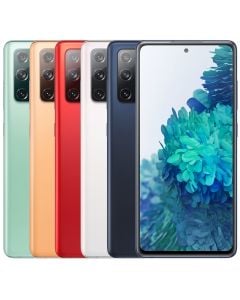
Galaxy S20: Available in Cloud Gray, Cloud Blue, and Cloud Pink, depending on region. Storage options include 128GB with 8GB of RAM, and support for microSD expansion up to 1TB.
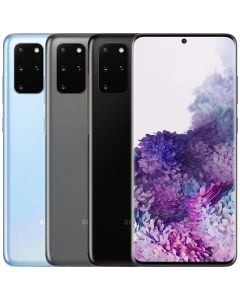
Galaxy S20+: Offered in Cosmic Gray, Cosmic Black, and Cloud Blue, with special color editions such as Aura Red in select markets. Comes with 128GB or 512GB of internal storage and 8GB or 12GB of RAM, along with microSD card support up to 1TB.
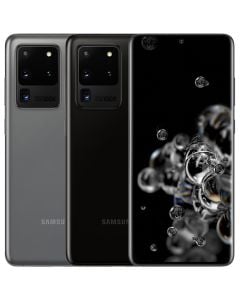
Galaxy S20 Ultra: Features premium finishes including Cosmic Gray and Cosmic Black. It is available in 128GB, 256GB, and 512GB storage variants, with 12GB or 16GB of RAM depending on the configuration. It also includes microSD card support for up to 1TB additional storage.
All models utilize fast UFS 3.0 storage, enabling quick app launches and seamless file transfers. The availability of microSD expansion makes the S20 Series especially versatile for users with high media and data needs.